


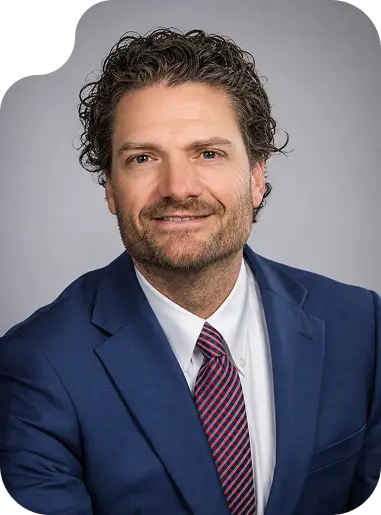
David Brown
Helps injured people understand fault disputes, insurance coverage, claim value, and the evidence needed after serious crashes.
Free Consultation
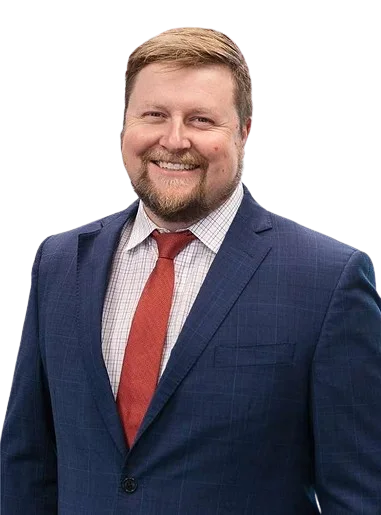
 Matt Conner
You’re replaying the crash in your head, trying to figure out what went wrong. Maybe the motorcycle came up between lanes. Maybe the other driver kept darting in and out of traffic.
Now the question is bigger than the accident itself: Was that even legal, and how does it affect my case?
Understanding lane splitting vs. lane weaving is critical after a Washington accident. These two behaviors are often confused, but the law treats them very differently. That distinction can directly impact fault, insurance decisions, and whether you can recover compensation.
With over 50 years of legal experience, Brett McCandlis Brown & Conner PLLC helps people across Washington navigate these exact situations. We look beyond assumptions, break down what the law actually says, and build a clear path forward when liability is in dispute.
Although both involve movement between lanes, the key difference between lane splitting vs. lane weaving comes down to how the driver or motorcyclist is using the roadway and whether that behavior is legal.
Lane splitting occurs when a motorcyclist rides between lanes of traffic traveling in the same direction, often to pass slower vehicles or avoid congestion.
Under Washington law, this is prohibited.
Motorcycles are entitled to the full use of a lane, just like any other vehicle. At the same time, they are not permitted to ride between lanes of traffic (whether vehicles are moving or stopped) or travel between rows of vehicles at intersections or in congestion.
Lane weaving refers to a driver or motorcyclist changing lanes multiple times, usually to move faster through traffic.
Unlike lane splitting, lane weaving is not automatically illegal. However, it can become unlawful depending on how it is performed.
Lane weaving can violate Washington traffic laws when it involves:
Under these circumstances, lane weaving may be considered negligent under Washington law. If this type of driving contributes to a crash and someone is injured, the injured person may have the right to pursue compensation for their losses, including medical expenses, lost income, and other damages.
These two behaviors are often confused, but they can affect fault, insurance decisions, and how much compensation may be available.
Lane splitting happens when a motorcyclist rides between lanes of traffic moving in the same direction. In Washington, this behavior is prohibited, so insurers may use it to argue the rider shares fault.
These cases are highly fact-specific. The best evidence often shows where each vehicle was, how fast it was moving, and whether signals, mirrors, or blind spots were involved.
Washington follows pure comparative negligence. If you are assigned a percentage of fault, your recovery can be reduced by that same percentage.
Insurers may use lane splitting, weaving, speed, signals, or blind spots to push more fault onto you. Choose the issue you are facing.
Even when lane splitting is alleged, the full crash must still be reviewed. A driver who made an unsafe lane change, failed to check mirrors, failed to signal, or cut across traffic may also share responsibility.
Review the Fault DisputeWhen a crash involves lane splitting, lane weaving, unsafe lane changes, or shared fault, the right legal team can help preserve evidence, deal with insurance, and protect the value of the claim.
Helps injured people understand fault disputes, insurance coverage, claim value, and the evidence needed after serious crashes.

Supports crash victims through evidence collection, medical documentation, insurance negotiations, and legal strategy.
Works with accident victims facing disputed liability, low offers, medical bills, long-term injuries, and litigation concerns.
Reviews can help visitors feel more confident before contacting the firm about a lane-splitting or lane-weaving crash.
Lane splitting and lane weaving can directly influence how fault is determined after an accident.
Fault is evaluated based on each person’s behavior behind the wheel and whether their actions contributed to the crash. When one of these lane behaviors is involved, it often becomes a key factor in that analysis.
Because lane splitting is illegal in Washington, it often plays a significant role in determining fault after a crash.
A motorcyclist who was lane splitting may be found partially (or even primarily) at fault because their conduct violated Washington traffic laws and contributed to the collision.
That said, lane splitting does not automatically mean the motorcyclist is entirely responsible. Fault can still be shared based on each party’s actions.
For example, if a driver made an unsafe lane change without checking mirrors or blind spots, that driver may also bear some responsibility for the accident.
Lane-weaving cases tend to be more fact-specific.
A motorcyclist may be considered negligent if their lane changes were too frequent, poorly timed, or made without proper signaling. Speed and overall traffic conditions also play a role. What might be a normal lane change in light traffic can become unsafe in heavier, faster-moving conditions.
When lane changes disrupt traffic flow or catch other drivers off guard, the risk of rear-end collisions, sideswipes, and chain-reaction crashes increases.
In these situations, the focus is on whether the lane-changing behavior contributed to the accident and how responsibility should be divided between those involved.
Lane splitting and lane weaving can influence how your accident is evaluated and what you may be able to recover.
In Washington, the way responsibility is divided between drivers plays a major role in the outcome of a claim. The state follows a pure comparative negligence system, meaning your recovery is reduced by your share of fault.
Even a relatively small increase in assigned responsibility can noticeably change the value of your case.
Insurance companies pay close attention to behaviors like lane splitting and lane weaving when reviewing a claim.
If lane splitting is involved, insurers often focus on its illegality under Washington law. They may argue that it contributed to the crash or created an unsafe situation. This can become a basis for reducing what they are willing to pay.
Lane weaving is less clear-cut, but it still raises concerns. Insurance companies may characterize lane changes as aggressive or unsafe. These arguments are often used to limit their responsibility.
Under pure comparative negligence, your compensation is directly tied to your percentage of fault.
If you are found partially responsible, your recovery is reduced by that same percentage. For example, a finding of 30% fault means your compensation is reduced by 30%.
This is where these cases can become challenging. When lane splitting or lane weaving is involved, there is often room for interpretation. Insurance companies may push for a higher percentage of fault than is fair based on the circumstances.
Because of this, how responsibility is assigned can have a direct and meaningful impact on how much compensation you can recover.
When lane splitting or lane weaving is involved, the goal is to understand how the vehicles were moving just before the crash.
Common types of evidence include:
These pieces are considered together to form a clearer picture of how the accident occurred.
When you are dealing with a crash involving lane splitting or lane weaving, the details matter. Small differences in how the accident happened can change how fault is assigned and how much compensation you may recover.
At Brett McCandlis Brown & Conner PLLC, we have recovered over $100 million for injured clients across Washington. We handle the legal process from start to finish, including dealing with insurance adjusters, coordinating with medical providers, and building a case that reflects the full impact of your injuries.
We also provide honest case evaluations so you understand both the strengths and potential challenges of your claim before moving forward. That clarity helps you make informed decisions at every stage.
If you were injured in an accident and questions about lane splitting or lane weaving are affecting your case, reach out to us for a free consultation. We are ready to help you understand your options and take the next step forward.
Legal References Used to Inform This Page
To ensure the accuracy and clarity of this page, we referenced official legal and other resources during the content development process:

Matt Conner has a proven track record of success. Following his graduation from Willamette University with a double major in mathematics and economics, Matt worked as an economist for the Office of Economic Analysis for the State of Oregon before moving onto working in mortgage banking and real estate. Although Matt would move on to law school shortly thereafter, his experience in the financial sector has provided him with valuable experience in how to achieve maximum compensation for his clients.


© 2026 Brett McCandlis Brown & Conner PLLC. All Rights Reserved.
Website designed by:
