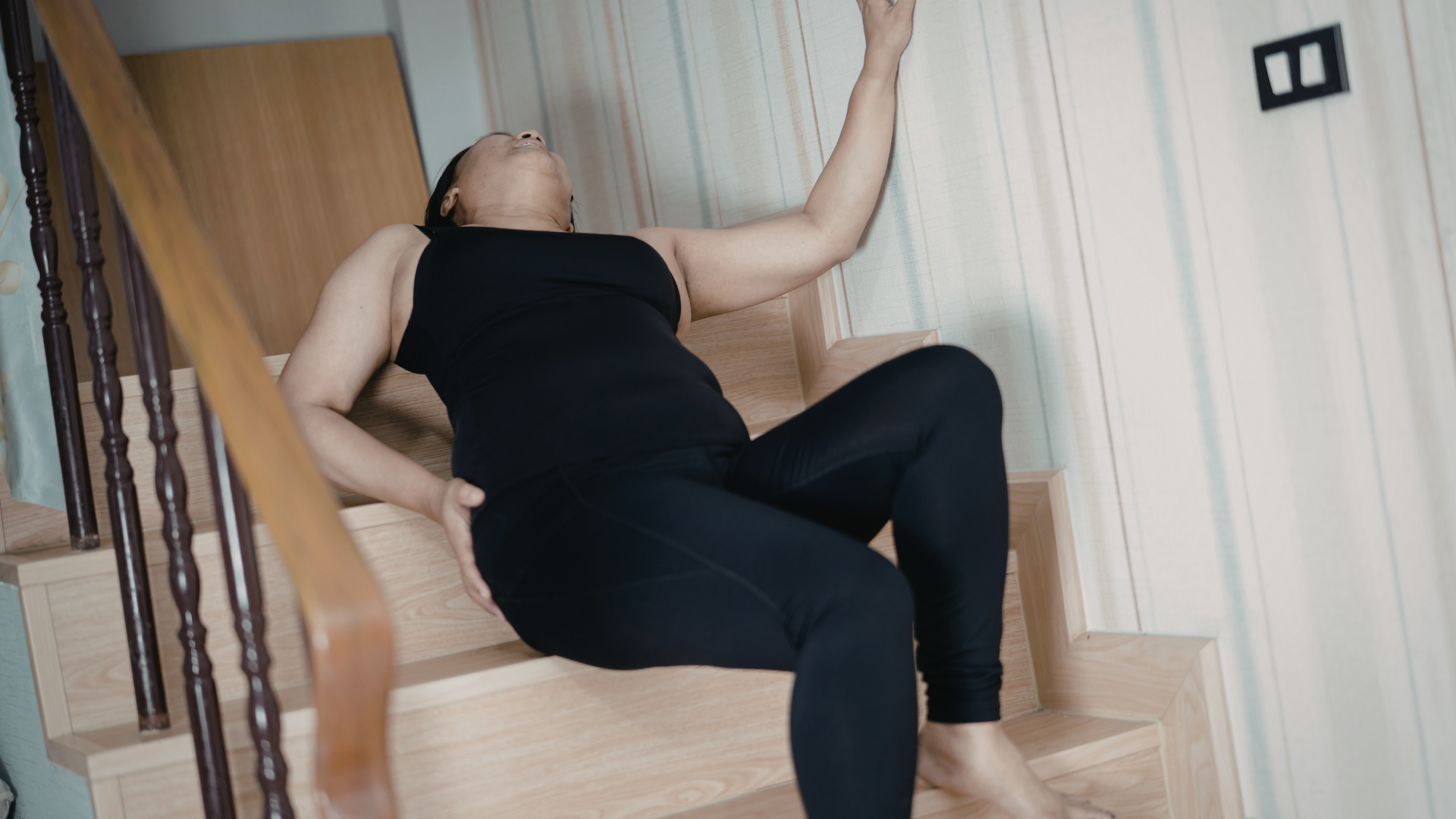
Slip and fall accidents often occur without warning, leaving little time to react. A wet floor, uneven walkway, or poorly maintained stairwell can cause someone to lose balance in seconds. When a fall impacts the back or spine, the effects may extend well beyond immediate pain.
Back injuries from falls frequently interfere with mobility, daily routines, and long-term health.
Across Washington, slip and fall incidents remain a leading cause of spinal trauma in grocery stores, apartment buildings, workplaces, parking areas, and public facilities. Learning how these injuries develop, understanding early warning signs, and knowing the legal options available can help injured individuals protect both their physical well-being and financial stability.
Why Falls Commonly Result in Back and Spinal Trauma
The spine plays a critical role in movement and stability while also protecting the spinal cord. During an unexpected fall, the body often twists or lands with force concentrated along the back. That force may compress vertebrae, strain muscles, or damage discs that cushion the spine.
Backward or sideways landings increase the likelihood of spinal involvement. Even falls from standing height may cause serious injury when hard surfaces such as concrete or tile are involved. Adrenaline frequently masks pain immediately after impact, which explains why spinal damage is sometimes underestimated in the hours following an accident.
Types of Back Injuries from Falls
Slip and fall incidents can cause a broad range of spinal injuries, some of which worsen gradually. Understanding the types of back injuries from falls helps explain why prompt medical evaluation matters.
Soft tissue damage often appears first. Muscle strains and ligament sprains may limit movement and create lingering discomfort when left untreated. Disc injuries represent a more serious concern. Herniated or bulging discs can press against nearby nerves, causing pain that radiates into the arms or legs.
Fractures to the vertebrae may develop when downward force compresses the spine. Compression fractures occur frequently in older adults and in individuals with reduced bone density. These injuries may require extended treatment and careful monitoring.
Spinal cord trauma represents the most severe outcome. Damage to the spinal cord may disrupt communication between the brain and body, potentially causing partial or complete paralysis. Even incomplete injuries can lead to permanent neurological limitations.
Symptoms to Look for After a Fall on Your Back
Spinal injuries do not always produce immediate symptoms. Changes may develop over time, making careful observation essential. Recognizing symptoms to look for after a fall on your back can prevent complications and guide timely treatment.
Warning signs may include persistent back pain, stiffness, or reduced flexibility. Numbness, tingling, or weakness in the arms or legs often suggests nerve involvement. Balance problems or coordination difficulties may indicate deeper spinal issues.
Additional symptoms requiring urgent evaluation include changes in bladder or bowel function, sharp pain traveling down the limbs, or increasing difficulty walking. Any combination of these signs warrants prompt medical assessment.
How Back Injuries Affect Daily Life and Recovery
Recovery from spinal trauma often extends beyond physical healing. Chronic pain can disrupt sleep, employment, and relationships. Tasks such as standing for long periods, lifting objects, or sitting comfortably may become challenging.
Many individuals require physical therapy, pain management care, or surgical intervention. Extended time away from work or permanent job modifications may follow. These disruptions frequently create financial strain, particularly when medical expenses increase while income decreases.
Emotional challenges also arise. Anxiety, frustration, and depression commonly accompany long-term spinal conditions, especially when mobility becomes limited.
Unsafe Property Conditions and Responsibility Under Washington Law
Washington premises liability law requires property owners and managers to maintain reasonably safe conditions for lawful visitors. When hazardous conditions remain unaddressed, preventable injuries may occur.
Conditions frequently linked to back injuries from falls include:
- Wet or slippery flooring without warning signs,
- Uneven walking surfaces or broken pavement,
- Poor lighting in stairwells or hallways,
- Loose mats or unsecured rugs, and
- Untreated snow or ice accumulation.
When owners knew or should have known about dangerous conditions and failed to correct them, liability may follow under Washington negligence principles.
Medical and Legal Steps After a Slip and Fall Back Injury
Taking appropriate steps after a fall protects both health and potential legal claims. Medical evaluation creates documentation linking injuries to the incident, which becomes critical if symptoms worsen later.
Key actions often include seeking medical care promptly, following treatment recommendations, reporting the incident to property management, and preserving evidence such as photographs or witness information. Avoiding recorded insurance statements before understanding injury severity can also help protect legal rights.
Proving a Slip and Fall Back Injury Claim
Claims involving spinal trauma often face scrutiny from insurance companies. Adjusters may question symptom severity or suggest unrelated causes.
Strong claims typically rely on medical records, diagnostic imaging, incident reports, photographs of hazardous conditions, and expert opinions explaining the mechanics of the injury. Because spinal injuries may require future care, claims should account for long-term treatment, rehabilitation, and reduced earning capacity.
How Brett McCandlis Brown & Conner Supports Injured Clients
Recovering from spinal trauma while managing a legal claim can feel overwhelming. Brett McCandlis Brown & Conner represents injured individuals across Washington who suffered harm due to unsafe property conditions.
Our firm handles investigation, evidence preservation, medical coordination, and insurance negotiations. Each case receives careful preparation and is ready to proceed to trial in case a fair resolution is not possible. This approach helps protect clients from settlements that fail to reflect the full impact of spinal injuries.
Taking the Next Step After a Serious Fall
Back and spinal injuries deserve careful attention and informed guidance. Early treatment, thorough documentation, and experienced legal support can influence recovery outcomes and long-term security.
Brett McCandlis Brown & Conner brings decades of experience advocating for Washington residents who have been injured by negligence. Our firm remains committed to holding property owners accountable while helping clients pursue compensation for medical bills, lost income, pain and suffering, and future care needs.
If you have questions about your rights after a slip and fall involving spinal trauma, speaking with an experienced Seattle slip and fall attorney at Brett McCandlis Brown & Conner can provide clarity and peace of mind during a difficult time.