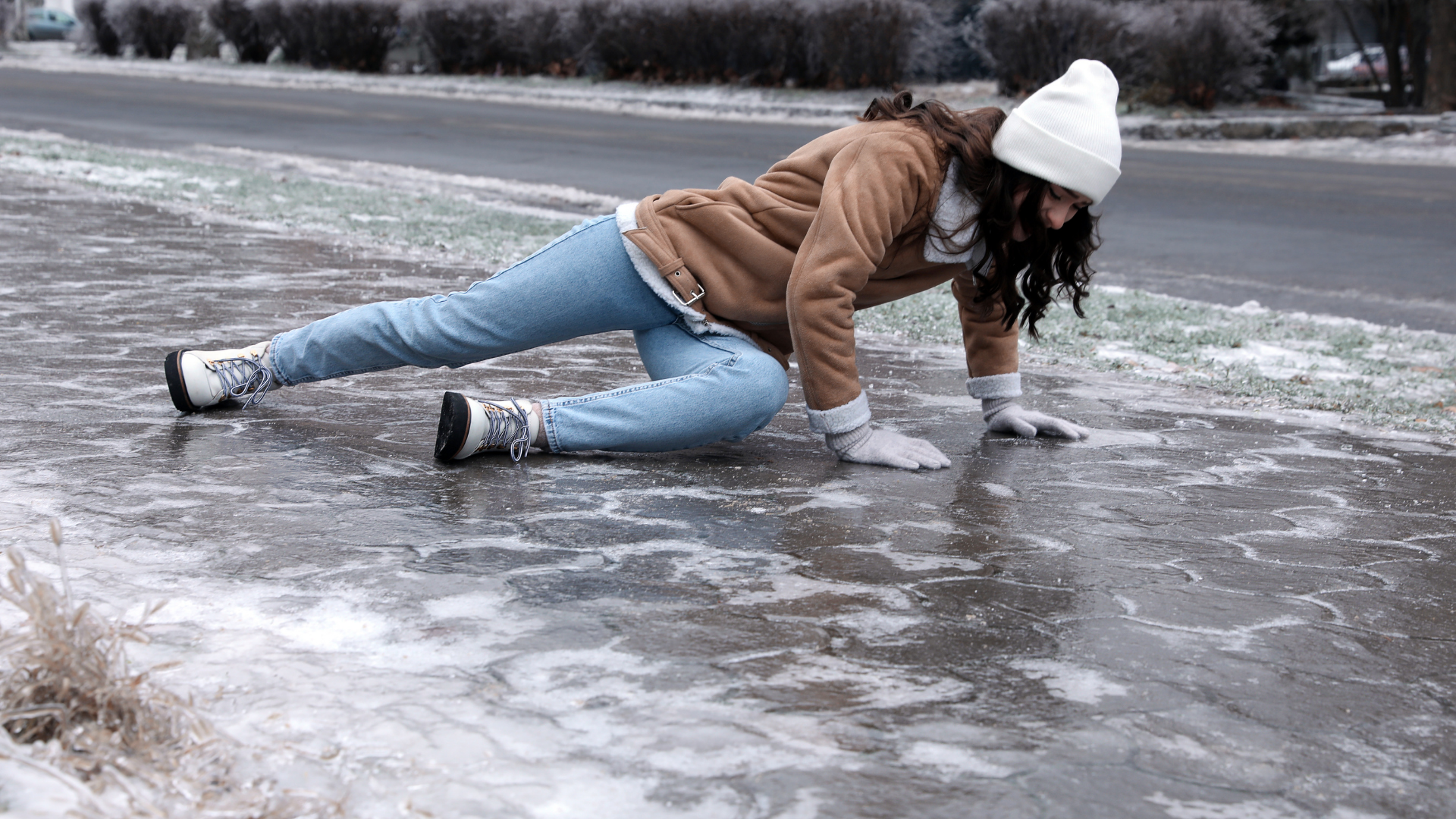
Falls remain a leading cause of injury across Washington, yet many people are unsure how the law classifies these incidents. After an accident, injured individuals often hear the phrases “slip and fall” and “trip and fall” used interchangeably. From a legal standpoint, however, the distinction between slip and fall vs trip and fall incidents can affect how you build a claim and identify responsible parties.
Understanding these differences can also help injury victims recognize whether negligence may have contributed to the accident. While both categories fall under Washington’s premises liability law, the causes, evidence, and legal analysis often differ in important ways.
Understanding the Difference Between Slipping and Tripping
At its core, the distinction centers on traction versus obstruction. A slip occurs when a person’s foot loses grip on a walking surface, often due to moisture or a slick substance. A trip happens when the foot strikes an object or uneven surface, interrupting normal movement and causing a forward fall.
This distinction matters because it explains how the fall occurred. Slip incidents usually involve temporary conditions, such as spilled liquids or recently cleaned floors. Structural or maintenance issues are more often the cause of a trip and fall, meaning conditions such as uneven pavement or raised flooring are typically present. Identifying the mechanism helps determine how long the hazard existed and what steps should have been taken to address it.
From a legal perspective, understanding slip and fall vs trip and fall cases also clarifies the types of evidence that will carry the most weight. Surface conditions, warning signs, and cleanup procedures are often central to slip claims. Maintenance records, repair history, and measurements matter more in trip claims. Although injuries may appear similar, the cause of the fall shapes the liability analysis under Washington law.
What Is a Slip and Fall Accident?
Slip and fall accidents occur when walking surfaces lack adequate traction. These incidents often happen suddenly, leaving little opportunity for recovery.
Conditions frequently associated with slip accidents include:
- Wet floors without warning signs,
- Unattended liquid spills,
- Recently mopped or polished surfaces,
- Ice or snow accumulation, and
- Grease or oil in walking areas.
In many situations, the injured person had no reason to anticipate the hazard. When property owners fail to address slippery conditions or provide reasonable warnings, they may be legally responsible.
What Is a Trip and Fall Accident?
Trip and fall incidents occur when a person’s foot contacts an obstacle or uneven surface. Understanding the meaning of a trip and fall helps explain why these accidents are commonly tied to maintenance or structural concerns.
Typical trip hazards include:
- Uneven sidewalks or pavement;
- Raised floor transitions;
- Loose carpeting or unsecured mats;
- Cords, debris, or clutter in walkways; and
- Broken stairs or missing handrails.
Trip accidents often result in forward falls, which can produce different injury patterns depending on how the body lands.
Injuries Commonly Linked to Falls
Both slip and fall and trip and fall accidents can result in serious harm. Although the mechanics differ, outcomes frequently overlap.
Common injuries include fractures, head trauma, spinal damage, soft tissue injuries, and hip fractures. Severity depends on surface hardness, fall dynamics, and whether the individual could brace before impact.
Establishing Liability Under Washington Law
Washington premises liability law requires property owners and managers to take reasonable steps to maintain safe conditions for lawful visitors. Liability does not depend solely on whether an accident involved slipping or tripping. Courts instead examine whether the owner acted reasonably under the circumstances.
In slip and fall vs trip and fall cases, judges and juries often evaluate how the hazardous condition formed, how long it existed, and whether the owner had a reasonable opportunity to correct or warn about it. For instance, a spill left unattended for a significant period may suggest negligence, whereas a hazard that appeared moments before an incident may require closer factual review.
Washington follows a comparative fault system. Compensation may be reduced if an injured person is found partially responsible. Property owners frequently cite distractions, footwear, or visibility as reasons for the accident, making a thorough investigation essential.
Proving Negligence in Fall Injury Claims
Although both accident types rely on negligence principles, the proof required often differs. Slip cases focus on surface conditions and response practices. Trip cases emphasize defects, measurements, and maintenance history.
Evidence commonly includes:
- Photographs showing hazardous conditions,
- Incident or accident reports,
- Witness statements,
- Inspection and maintenance records, and
- Surveillance footage.
Medical documentation remains critical in both types, as it connects injuries directly to the fall and demonstrates severity.
How These Distinctions Affect Compensation
The difference between slipping and tripping does not limit the types of damages available, though it can influence how a claim is presented. Establishing the correct cause strengthens arguments regarding fault.
Compensation may include medical expenses, rehabilitation costs, lost income, pain and suffering, and future care needs. Claim value depends on injury severity, recovery length, and long-term impact on daily life.
Why Early Legal Guidance Matters
Conditions often change quickly after a fall. Surfaces may be cleaned, repairs completed, or surveillance footage overwritten. Early legal guidance helps preserve evidence and ensures claims are well supported.
Understanding the legal implications of slip and fall vs trip and fall accidents also helps injured individuals avoid accepting early insurance offers that fail to account for future consequences.
How Brett McCandlis Brown & Conner Assists Injury Victims
Brett McCandlis Brown & Conner represents individuals across Washington who have been injured due to unsafe property conditions. The firm understands how subtle distinctions between accident types affect liability strategy and case development.
Attorneys investigate accident scenes, secure evidence, work with medical professionals, and handle insurance negotiations. Each matter is prepared thoroughly, with readiness for trial when necessary, to pursue fair compensation.
Taking the Next Step After a Fall
Falls can leave lasting physical, emotional, and financial effects. Knowing whether an accident involved slipping or tripping helps clarify legal options and next steps.
Brett McCandlis Brown & Conner brings decades of experience advocating for Washington residents harmed by negligence. The firm remains committed to holding property owners accountable while helping clients pursue compensation that reflects the full impact of their injuries.
Anyone hurt in a fall may benefit from speaking with a Slip and Fall attorney in Seattle at Brett McCandlis Brown & Conner to gain clarity and guidance during recovery.