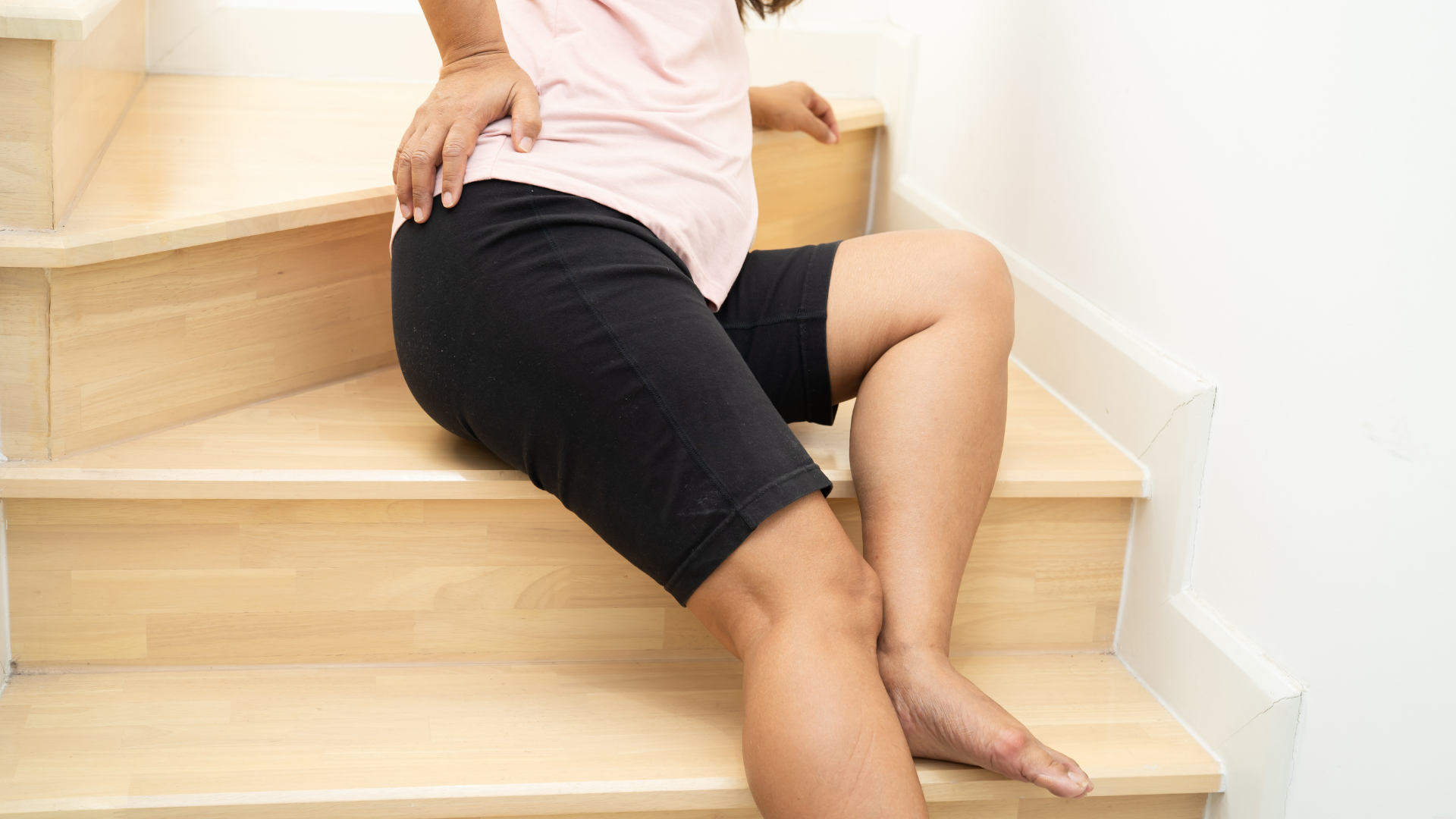
Slip and fall accidents can cause injuries that permanently alter daily life. Among the most serious outcomes is a fractured hip, which often requires surgery, extended rehabilitation, and ongoing medical care. A hip fracture due to slip and fall incidents frequently affects older adults, though people of any age may suffer this injury when unsafe conditions cause sudden loss of balance.
Across Washington, hip fractures commonly occur in grocery stores, apartment complexes, healthcare facilities, parking structures, and public walkways. Understanding how these injuries occur, why they pose serious medical risks, and what legal options are available can help injured individuals and families make informed decisions during recovery.
Why Hip Fractures Are Medically Serious
The hip joint supports body weight and allows stable movement. When a fall causes direct impact to this area, the upper portion of the femur may fracture. Hard surfaces, such as concrete or tile, increase the risk of severe injury.
Hip fractures often result in immediate pain and inability to bear weight. Many injured individuals cannot stand or walk independently after the incident. For older adults, complications may include infection, reduced mobility, loss of independence, or increased mortality risk. These concerns explain why prompt treatment and careful recovery planning matter.
How Slip and Fall Accidents Cause Hip Fractures
Loss of footing often occurs without warning. Wet floors, uneven surfaces, poor lighting, or icy walkways leave little time to regain balance. During a fall, the body instinctively twists, which can place stress on the hip.
When the hip absorbs the force, the bone structures may fracture with no muscles present to cushion the fall. Many injured individuals report no opportunity to brace or protect themselves before impact.
Common Types of Hip Fractures
Different fracture patterns affect treatment decisions and recovery timelines. Understanding injury classification helps explain why outcomes vary.
Common fracture categories include:
- Femoral neck fractures—occur near the hip joint and often require surgical fixation or joint replacement,
- Intertrochanteric fractures—affect the area between the femoral neck and shaft and typically require internal hardware, and
- Subtrochanteric fractures—occur lower on the femur and may involve longer rehabilitation periods.
Each injury type presents unique challenges depending on patient age, bone health, and overall medical condition.
Treatment and Rehabilitation Considerations
Most hip fracture cases require surgical intervention. Procedures may involve screws, plates, rods, or total hip replacement. Hospitalization often follows, along with physical therapy focused on restoring mobility.
Rehabilitation frequently includes pain management, gait training, and strength rebuilding. Some individuals require assistive devices or temporary placement in rehabilitation facilities. Recovery may extend for months, particularly when complications arise.
Long-Term Consequences After a Hip Fracture
Hip fractures can affect more than physical movement. Extended recovery may disrupt employment, family responsibilities, and emotional well-being. Many individuals never return to their previous level of independence.
Long-term effects may include:
- Ongoing pain or stiffness,
- Increased fall risk,
- Reduced mobility, and
- Need for long-term assistance.
Financial strain often follows, particularly when medical expenses combine with lost income or caregiving costs.
Liability Under Washington Law
Washington premises liability law requires property owners and managers to maintain reasonably safe conditions for lawful visitors. When hazards remain uncorrected, preventable injuries may occur. A hip fracture due to a slip and fall frequently results from unsafe conditions that should have been addressed.
Examples of hazardous conditions include:
- Wet floors lacking warning signs,
- Cracked pavement or uneven flooring,
- Poor lighting in stairwells or corridors,
- Loose rugs or unsecured mats, and
- Untreated snow or ice accumulation.
When property owners knew or should have known about these dangers and failed to act, legal responsibility may follow.
Proving Responsibility in a Hip Fracture Claim
Establishing liability requires evidence linking unsafe conditions to the injury. Insurance companies often dispute these claims by shifting blame or minimizing severity.
Successful cases commonly rely on medical records, incident reports, photographs of hazards, witness statements, and expert opinions. Documentation connecting the fall to the fracture becomes essential, particularly with a prolonged recovery.
Compensation After a Hip Fracture
A hip fracture often creates financial consequences that extend well beyond initial medical treatment. Many injured individuals face months of recovery, reduced independence, and ongoing care needs. When a hip fracture resulting from a slip-and-fall is caused by negligence, Washington law allows injured parties to seek compensation for both immediate and long-term losses.
Compensation in these cases may include payment for emergency medical care, hospitalization, surgery, follow-up appointments, and physical therapy. Many claims also cover costs for rehabilitation facilities, mobility aids, prescription medications, and in-home assistance during recovery.
Lost income represents another significant category of damages. Time away from work, reduced earning capacity, or permanent job limitations may be recoverable when injuries prevent a return to prior employment. For some individuals, a fractured hip results in early retirement or long-term disability.
Non-economic damages may also apply. These damages account for pain, suffering, emotional distress, and loss of enjoyment of daily activities. Reduced independence, ongoing discomfort, and lifestyle limitations often play a significant role in these claims.
Individuals researching a slip and fall broken hip settlement often want clarity regarding settlement value. Outcomes depend on injury severity, recovery duration, need for future medical care, impact on mobility, and whether permanent limitations exist. Each claim requires careful evaluation to ensure compensation reflects the full scope of harm rather than only short-term expenses.
How Brett McCandlis Brown & Conner Assists Injured Clients
Recovering from a hip fracture while managing a legal claim can feel overwhelming. We represent individuals throughout Washington who suffered serious injuries due to unsafe property conditions.
The firm investigates accident circumstances, preserves evidence, coordinates medical documentation, and handles insurance negotiations. Each matter receives careful preparation, including readiness for trial when appropriate. This approach helps protect clients from undervalued settlement offers.
Moving Forward After a Hip Fracture
A hip fracture can reshape daily life, particularly when surgery and long-term care become necessary. Prompt medical treatment, thorough documentation, and experienced legal representation can make a meaningful difference.
At Brett McCandlis Brown & Conner, we bring decades of experience advocating for Washington residents who have been injured by negligence. The firm remains committed to holding property owners accountable while helping clients pursue compensation reflecting the true impact of their injuries.
If you or a loved one suffered a hip fracture due to slip and fall conditions, speaking with a Vancouver slip and fall attorney at Brett McCandlis Brown & Conner can provide clarity, support, and guidance during recovery.