


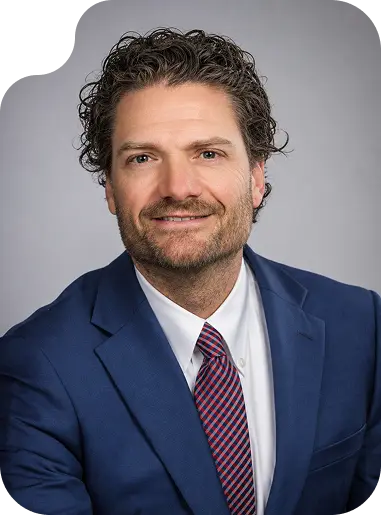
David Brown
Helps injured people understand claim value, insurance coverage, fault disputes, and the legal steps after a serious crash.
Free Consultation
 Matt Conner

If another driver caused your crash in Washington, their liability insurance is responsible for your medical bills, lost income, vehicle damage, and pain and suffering, up to their policy limits. Getting paid still depends on what you do in the first few days: getting care, reporting the crash, documenting the scene, and being careful with the other driver’s insurer.
After an accident that is not your fault, seek medical help, report the accident to law enforcement, gather witness information, notify your insurance company, and file a claim with the at-fault driver’s insurer. Consider legal counsel to ensure full compensation if the insurer disputes liability or offers a low settlement.
In a “fault” state like Washington, if you weren’t responsible for the crash, you likely won’t have to pay for your damages or anyone else’s. In this post, the Brett McCandlis Brown & Conner team will guide you through what to do after a car accident that’s not your fault so that you can improve your chances of receiving compensation.
If you’re not at fault in a car accident, file a claim with the other driver’s insurance for compensation. Alternatively, if covered, file with your own insurance.
There are a few simple steps you can take immediately after a car accident that can help you when you pursue compensation later on. However, if you can’t complete some or all of these steps by yourself, an experienced attorney can help you investigate your accident and collect evidence.
Even when the other driver caused the crash, your next steps can affect medical proof, fault disputes, insurance coverage, and settlement value.
Low-speed crashes can still cause injuries that appear later. Medical treatment also creates a record connecting your injuries to the crash.
Insurance companies can still question fault, injuries, coverage, and damages. Use this checklist to organize the proof early.
In Washington, the at-fault driver is responsible for damages, but your compensation can be reduced if the insurance company says you share blame.
Even when the crash was not your fault, insurance companies may delay, blame you, request a recorded statement, or make a quick low offer.
Recorded statements can be used later to challenge fault, injuries, timing, and damages. Stick to basic facts until your rights and claim strategy are reviewed.
Get Statement GuidanceWhen a crash was not your fault, the right legal team can help prove liability, deal with insurance companies, preserve evidence, and pursue full compensation.
Helps injured people understand claim value, insurance coverage, fault disputes, and the legal steps after a serious crash.

Supports crash victims through evidence collection, claim preparation, insurance negotiations, and legal strategy.

Works with accident victims facing injury claims, low offers, fault disputes, medical bills, and litigation concerns.
Reviews can help visitors feel more confident before contacting the firm about a not-at-fault car accident claim.
Even low-speed car accidents can cause serious injuries. You may feel fine after a seemingly minor crash, but it could take days or even weeks for the full extent of your injuries to manifest. Be sure to get a medical exam after a car accident, even if you think you’re fine. Seeking medical treatment will also create a record of your injuries. Your attorney can use these records to support your claim.
You’ll need to file an accident report with either law enforcement or the Washington State Patrol (WSP). A report must be filed within four days of the crash. If an officer reports to the scene, they’ll usually file the report, and no further action is required on your part. Contacting law enforcement is the easiest and most efficient method of filing a report.
If law enforcement doesn’t respond to the scene, both you and the other parties involved in the accident must file a report with the DOL within four days.
Information you should gather from any witnesses present includes:
Gathering information yourself can help refresh your own recollection of the accident later on. It can also help you correct any factual errors in the police report or the records on file with the DOL if you need to do so later.
A crash can seem minor at first. Your vehicle may have only a small dent, you may be able to drive away, and no one may appear seriously injured. That does not mean you should simply exchange phone numbers and leave.
If you are wondering what to do after a minor car accident that’s not your fault, take many of the same precautions you would after a more serious collision:
Avoid agreeing at the scene that the accident was “no big deal” or that no one was injured. Some injuries aren’t immediately apparent, and what looks like minor vehicle damage may require more extensive repairs than you expect.
You should also determine whether you must report the collision. In Washington, a driver generally must submit a collision report within four days when the crash results in injury, death, or at least $1,000 in property damage to any one person’s property, and law enforcement does not investigate and file a report.
Documenting even a seemingly minor accident gives you information to rely on if questions about fault, injuries, or insurance coverage arise later.
Even when a car accident isn’t your fault, you must still take certain steps to report your accident. You might also find it helpful to learn a bit more about car accident liability laws and the insurance claims process so that you can better understand your legal options.
The rules for who is responsible for covering the cost of accident losses can vary by state. In “fault” states, like Washington, the driver who caused the crash is required to pay damages to the driver who wasn’t at fault. Typically, it’s the at-fault driver’s car insurance company that covers these costs. However, if you bore any responsibility for the accident at all, your recovery can be reduced proportionately by your share of the fault. This is known as contributory fault.
An experienced Washington car accident lawyer can help you understand how Washington’s personal injury laws apply to your case.
An admission of fault at the scene can be helpful, but it does not necessarily end the question of liability. The other driver’s insurance company can still investigate the accident and reach its own conclusions about what happened.
The insurer may review the police report, photographs, witness statements, vehicle damage, and statements from both drivers. It may also argue that you contributed to the collision even if its insured initially apologized or accepted responsibility.
That matters in Washington because more than one person can share fault for an accident. Under the state’s pure comparative fault rule, your compensation can be reduced by your percentage of responsibility.
Continue documenting the accident even when the other driver admits fault. Do not assume that an apology or admission at the scene guarantees that the insurance company will accept full responsibility for your claim.
Even if you’re not at fault in a car accident, you’ll want to inform your own insurance company about the crash. There are several reasons to do so, even if the accident was minor or the other driver has admitted fault. Those reasons include the following:
If you delay informing your own insurer, you may not be able to seek protection from them later on.
After the accident, the at-fault driver’s insurance company may contact you for information about the collision and your injuries. You can provide basic information, but be cautious about giving a recorded statement or making definitive statements about how you feel before you understand the extent of your injuries.
The insurance adjuster represents the insurance company, not you. What you say about the accident may become part of the insurer’s evaluation of fault, and statements about your injuries can become important if your symptoms later worsen or you require additional treatment.
Be especially careful before accepting a settlement. Resolving an injury claim generally means giving up the right to seek additional compensation for that claim. Before agreeing to a settlement, you should understand your injuries, expected medical needs, lost income, and other losses caused by the accident.
If liability is disputed or you cannot reach an appropriate settlement, you may have the option to file a lawsuit against the person or parties responsible for the crash.
Finding out that the driver who caused your accident has no insurance can make an already difficult situation more stressful. The same problem can arise even when the driver has insurance, but their policy limits are insufficient to cover your losses.
Your own auto policy may provide another source of recovery. Uninsured motorist coverage can apply when an at-fault driver has no applicable liability insurance, while underinsured motorist coverage may apply when the responsible driver’s available coverage is insufficient to compensate you for your losses.
Other coverage under your policy may also be relevant. For example, personal injury protection (PIP), if available under your policy, can help pay certain medical expenses and other covered losses regardless of who caused the collision.
Do not assume that an uninsured or underinsured driver means you have no way to recover compensation. Review your policy and identify all available coverage before deciding how to proceed with your claim.
File a claim with the at-fault driver’s insurance company after a car accident if you are not at fault. This covers vehicle repairs and injuries because the at-fault driver is legally responsible for damages.
However, your insurer may use a process called subrogation, where they seek reimbursement from the at-fault driver’s insurance for any payouts they made on your behalf. This ensures you’re compensated promptly while your insurer works to recover their costs.
When you work with Brett McCandlis Brown & Conner, we will fight for you to get the compensation you deserve. We have represented hundreds of Seattle car accident victims and know the challenges you face after a crash. We will zealously advocate for you at the negotiating table and in the courtroom. You shouldn’t have to pay for injuries and losses someone else caused. Contact our office today to schedule an initial meeting. We offer free consultations, so you have nothing to lose by meeting with us.
What are the first steps after a car accident that wasn’t my fault?
Get medical attention, even if you feel okay. Call the police so there’s an official report. Take photos of the scene, the vehicles, and your injuries, exchange insurance information with the other driver, and get contact details from anyone who saw the crash. After that, report the accident to your own insurer. If the other driver’s insurer asks for a recorded statement, be careful about agreeing to one until you understand your rights.
Should I get a lawyer for a car accident that wasn’t my fault?
It’s worth talking to one if you were injured, if fault is in dispute, or if the insurer is dragging its feet or lowballing you. Most personal injury attorneys offer a free consultation and work on contingency. If it was a minor crash and nobody was hurt, you may be able to handle it yourself. Even then, it costs nothing to have your options explained.
Do I need to file a claim with my insurance if someone hits me?
Usually, the claim for your injuries and damage goes against the at-fault driver’s insurer. You should still let your own insurer know about the crash. Depending on your policy and how much coverage the other driver has, you may also be able to use your own PIP or underinsured motorist coverage.
What if the insurer offers nothing?
A $0 offer usually comes down to one of a few things. The insurer may be disputing who caused the crash, or arguing that you were partly at fault. The at-fault driver may be uninsured, or their limits may be so low that they’ve already been used up. Sometimes your own medical coverage and their liability coverage are still being coordinated. If the crash clearly wasn’t your fault and the offer is still $0, that’s often a sign to have an attorney review it, because you may be entitled to far more.
Can I file a claim for a truck accident that wasn’t fully my fault?
Yes. Washington follows pure comparative negligence, so you can still recover even if you were partly at fault. Your compensation is reduced by your percentage of fault. Truck cases also tend to involve more than one responsible party, such as the driver and the trucking company, which is why getting legal help early pays off.
What should I do if I was injured and need legal help to get compensation?
Start with medical care, and keep every record. Don’t give a recorded statement or accept a quick settlement until you understand what your claim is worth. Then contact a personal injury attorney for a free consultation. In Washington, you generally have three years from the crash to file a lawsuit, but acting sooner helps protect your evidence and your rights.
What if the other driver’s insurance company says I was at fault?
The other driver’s insurer doesn’t get the final say on who caused the crash. If it disputes liability or claims you share the blame, evidence can help show what happened: the collision report, photos, video, witness statements, and the damage to the vehicles.
Sharing some responsibility doesn’t automatically stop you from recovering compensation, either. Under Washington’s pure comparative fault rule, your recovery can be reduced based on your percentage of fault.
Who pays my deductible if the accident wasn’t my fault?
If you use your own collision coverage to repair your car, you may have to pay your policy’s deductible up front. Your insurer may then seek reimbursement from the at-fault party or their insurer. This is called subrogation.
If your insurer recovers what it paid, you may get some or all of your deductible back. How that works depends on the details of your claim and your policy.

Matt Conner has a proven track record of success. Following his graduation from Willamette University with a double major in mathematics and economics, Matt worked as an economist for the Office of Economic Analysis for the State of Oregon before moving onto working in mortgage banking and real estate. Although Matt would move on to law school shortly thereafter, his experience in the financial sector has provided him with valuable experience in how to achieve maximum compensation for his clients.


© 2026 Brett McCandlis Brown & Conner PLLC. All Rights Reserved.
Website designed by:
